Introduction to Sesame Seed: Origins, History, and Significance
Sesame Seed
An In-Depth Introduction to Sesame Seed: Origins, History, and Significance
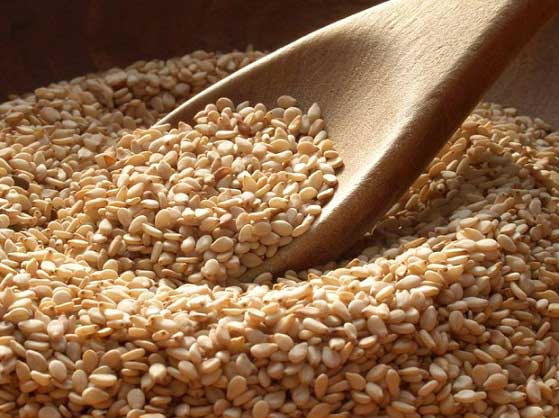
Sesame (Sesamum indicum) is one of the oldest cultivated oilseed crops in human history. Its origins can be traced back over 3,000 years to regions of sub-Saharan Africa and the Indian subcontinent. As a crop, it has journeyed through ancient civilizations, becoming a treasured agricultural staple in regions from the Middle East to Asia.
Origins and Domestication
The domestication of sesame is believed to have occurred independently in both Africa and India, where wild relatives of the plant still grow. From these centers of origin, sesame spread along ancient trade routes, carried by merchants and travelers to Egypt, Mesopotamia, and eventually the Mediterranean. Its adaptability to hot and arid climates made it a valuable crop in areas where other oilseeds might struggle.
Cultural and Economic Significance
Sesame seeds are not merely a crop but a cultural artifact, woven into the culinary and medicinal traditions of many societies. In ancient Babylon, sesame oil was prized for cooking and even for use in cosmetics. In Asia, it became a fundamental ingredient in both cuisine and traditional medicine. Today, sesame is a globally traded commodity, with major producers including India, China, Nigeria, and Sudan.
Botanical Characteristics and Versatility
Botanically, sesame is a flowering plant that thrives in warm conditions. Its small, flat seeds are highly valued for their oil content, which can exceed 50%. These seeds come in a variety of colors—white, brown, and black—each with unique culinary and market attributes.
In sum, sesame seeds are more than just a crop; they are a bridge across cultures and centuries, offering a rich history and a versatile future. This introduction serves as the foundation for understanding the profound significance of sesame in agricultural practice and beyond.
Guide to Sesame Seed Plantation:
Site Selection and Soil Requirements
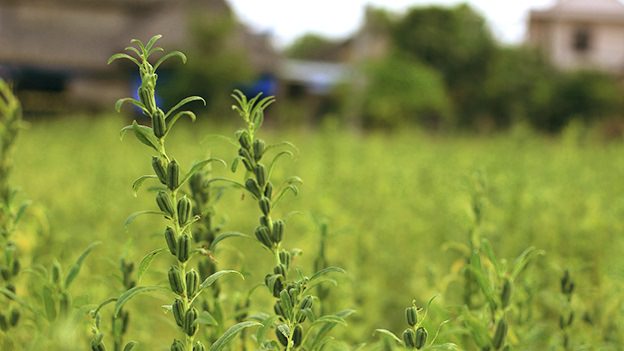
To cultivate a thriving sesame plantation, the first step is choosing the right site. Sesame performs best in well-drained, fertile soils—ideally sandy loam with a pH between 5.5 and 7.5. While it’s a hardy crop that tolerates drought, good soil preparation is essential. Begin by plowing and harrowing the land to create a fine seedbed, ensuring that the soil is loose and free from weeds.
Planting and Seed Selection
Sesame is typically planted at the beginning of the rainy season to take advantage of natural moisture. In Nigeria and similar climates, this usually means planting in late spring or early summer. Choose high-quality, certified seeds that are well-suited to your region. Sow them at a shallow depth of 2 to 3 centimeters, spacing rows about 45 to 60 centimeters apart.
Fertilization and Irrigation
While sesame is relatively low-maintenance, it benefits from balanced fertilization. Incorporate a moderate amount of a balanced fertilizer at planting to support early growth. Sesame’s deep-rooted nature helps it access water efficiently, but supplemental irrigation may be required if rainfall is insufficient.
Understanding Sesame Yield and Planting Frequency
In general, sesame yields can vary significantly based on region, farming practices, and environmental conditions. On average, a well-managed sesame plantation can yield anywhere from about 500 to 1,200 kilograms per hectare. In some particularly optimal conditions, yields can even go a bit higher.
As for planting frequency, sesame is typically grown once a year in most regions with a single rainy season. In areas with multiple growing seasons or irrigated systems, it may be possible to cultivate two crops per year, but this depends heavily on local climate and water availability.
Recommended Sesame Varieties for High Yield and Disease Resistance in Nigeria
1. E8 Variety: The E8 sesame variety is well-regarded for its relatively high yield potential and good adaptability to Nigerian growing conditions. It is known for producing seeds that have a good size and color, making it a reliable choice for both yield and marketability.
2. Yandev-55: This variety has been cultivated successfully in Nigeria and is appreciated for its disease tolerance, particularly against common fungal pathogens. It produces seeds that are well-suited for oil extraction and has a reputation for stable yields under local conditions.
3. Kenana-4: Originally developed in Sudan, Kenana-4 is another variety that performs well in similar agro-ecological zones, including parts of Nigeria. It is known for its large, white seeds and good yield performance, as well as its resilience against certain common diseases.
Pest and Disease Management
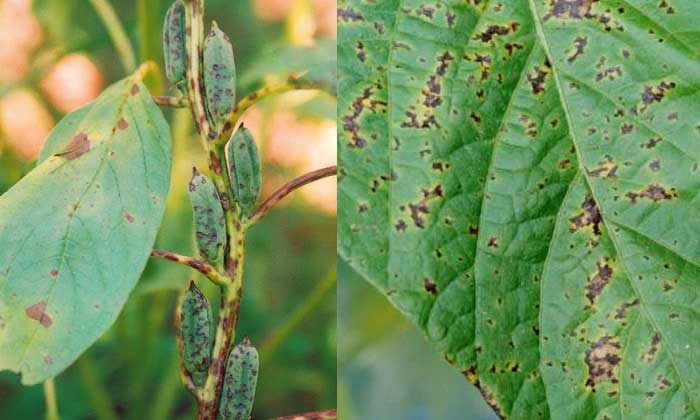
Protecting the crop from pests and diseases is a key part of plantation management. Common sesame pests include whiteflies and aphids, while fungal diseases can occur in humid conditions. Regular field inspections and integrated pest management strategies help maintain plant health and productivity.
Common and Significant Sesame Diseases in Nigeria
In the context of sesame cultivation in Nigeria, two notable diseases warrant particular attention due to their prevalence and impact on yield.
- Alternaria Leaf Spot (Alternaria sesami): This fungal disease is one of the most frequently encountered issues in Nigerian sesame fields. Characterized by dark lesions on the leaves, Alternaria leaf spot can lead to premature defoliation, thereby reducing photosynthetic capacity and overall plant vigor. This disease thrives in warm, humid conditions and can be mitigated through crop rotation and proper field hygiene.
- Bacterial Blight (Xanthomonas campestris pv. sesami): Another significant disease affecting sesame in Nigeria is bacterial blight. This pathogen causes water-soaked lesions that can spread rapidly under favorable conditions. It can result in significant damage to the foliage and pods, impacting both yield and seed quality. Integrated disease management practices, including the use of disease-free seeds and appropriate field sanitation, are essential for controlling bacterial blight.
Disease Management and Prevention
For Alternaria Leaf Spot, effective management includes practicing crop rotation and avoiding continuous planting of sesame in the same field. Additionally, ensure proper field sanitation by removing and destroying infected plant debris. In some cases, fungicidal sprays may be employed as a preventive measure, particularly during periods of high humidity.
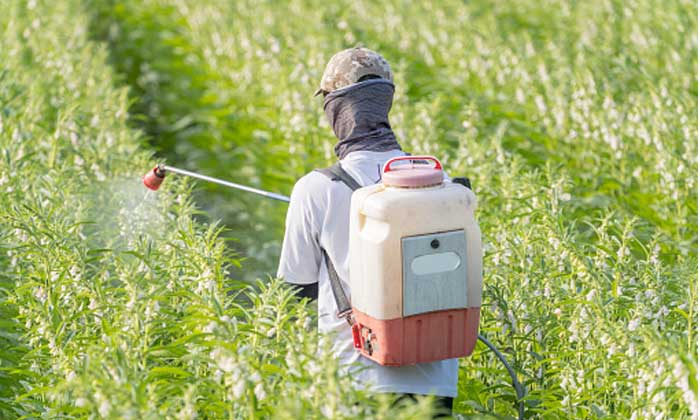
For Bacterial Blight, the use of certified disease-free seeds is fundamental. Implementing crop rotation and avoiding overhead irrigation can help reduce the spread of the bacteria. Integrated disease management practices, such as the use of copper-based bactericides, can also be considered where appropriate.
Harvesting and Post-Harvest Handling
Harvesting sesame is both an art and a science. The plants mature in about 90 to 120 days, and the timing is crucial to avoid seed loss. Once the seed pods turn brown and begin to dry, it’s time to harvest. After harvesting, the seeds should be thoroughly dried and cleaned to ensure quality and longevity in storage.
Step-by-Step Guide to Cleaning and Preparing Sesame for Export
Step 1: Pre-Cleaning of Harvested Sesame
Immediately following the harvest, it is advisable to utilize a pre-cleaning machine to reduce the presence of field debris such as soil, stones, and plant material. This pre-cleaning step helps to ensure that the sesame seeds enter the subsequent drying and cleaning phases with minimal impurities, thus enhancing the overall efficiency of the processing chain and maintaining seed quality.
Step 2: Mechanical Drying of Sesame Seeds
After the initial pre-cleaning, the next crucial phase involves drying the sesame seeds to achieve the appropriate moisture content for storage and further processing. A mechanical grain dryer or seed dryer is recommended for this purpose. These dryers are designed to evenly reduce the moisture content of the seeds in a controlled environment, thereby enhancing the quality and longevity of the final product. Utilizing a mechanical drying machine ensures that the seeds are dried efficiently and uniformly, preparing them for the subsequent cleaning and export stages.
Step 3: Threshing and Seed Extraction Using Mechanical Threshers
In the third step, the dried sesame plants undergo the threshing process to separate the seeds from the pods. For this operation, a mechanical sesame thresher is recommended. These threshers are engineered to handle sesame pods gently, thereby minimizing seed damage while effectively extracting the seeds.
The thresher works by feeding the dried sesame plants into the machine, where a series of gentle mechanical actions separate the seeds from the pods. The machine is typically equipped with adjustable settings to ensure that the threshing intensity is suitable for sesame, preventing unnecessary breakage. Once the seeds are extracted, they are ready to proceed to the next cleaning and purification stage.
Step 4: Cleaning and Purification with Seed Cleaning Machines
In the fourth step, the threshed sesame seeds are subjected to a thorough cleaning and purification process. This is achieved using a specialized seed cleaning machine. Such machines are equipped with multiple components, including air screens, sieves, and gravity tables, which work together to remove any remaining impurities like small stones, soil particles, and plant debris.
The cleaning machine operates by passing the seeds through a series of screens and air flows that separate the sesame seeds based on size, weight, and density. The end result is a batch of sesame seeds that meets high standards of purity, suitable for both storage and export.
Achieving High Purity in Step 4:
To attain a 98% purity level during the cleaning and purification stage, it is essential to utilize a high-quality seed cleaning machine that offers precise calibration and multiple cleaning stages. These machines can be adjusted to ensure that the sieves and air flows are finely tuned to remove even the smallest impurities.
By running the seeds through the machine multiple times or using equipment with a series of progressively finer screens, you can incrementally increase the purity level. Gravity tables within the cleaning system can also help separate the seeds based on density, ensuring that only the highest-quality seeds remain.
In summary, the combination of carefully calibrated seed cleaning machinery and multiple passes through the cleaning system will help you achieve a 98% purity standard.
Achieving High Purity in Step 4:
To attain a 99% purity level during the cleaning and purification stage, it is essential to utilize a high-quality seed cleaning machine that offers precise calibration and multiple cleaning stages. These machines can be adjusted to ensure that the sieves and air flows are finely tuned to remove even the smallest impurities.
By running the seeds through the machine multiple times or using equipment with a series of progressively finer screens, you can incrementally increase the purity level. Gravity tables within the cleaning system can also help separate the seeds based on density, ensuring that only the highest-quality seeds remain.
In summary, the combination of carefully calibrated seed cleaning machinery and multiple passes through the cleaning system will help you achieve a 99% purity standard.
Recommended Packaging for Exporting Sesame Seeds
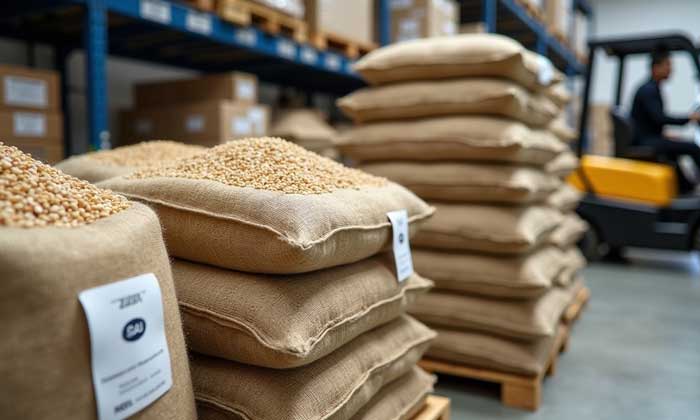
For the final packaging of sesame seeds intended for export, it is advisable to use high-quality, food-grade bags that ensure the seeds remain in optimal condition throughout storage and transportation. Typically, polypropylene or multi-layer paper bags with a capacity of 25 to 50 kilograms are widely used in the industry. These bags are strong, durable, and resistant to tearing, which helps protect the sesame seeds from contamination and moisture.
In addition, ensuring that the bags are properly sealed and labeled according to international export standards will help maintain product integrity and meet the requirements of global markets. By using these recommended packaging solutions, the sesame seeds will arrive at their destination in excellent condition.
Step 6: Transport and Export Logistics
In the final step of the sesame seed export process, the properly packaged seeds are prepared for transport to the port and their final export destination. During this stage, it is important to coordinate with reliable logistics providers who have experience in handling agricultural commodities. The transport conditions should be managed to prevent any exposure to moisture or extreme temperatures, thereby preserving the quality of the seeds throughout the journey.
By adhering to these logistical best practices, the sesame seeds will arrive at their global destinations in excellent condition, meeting the expectations of international buyers and maintaining the integrity of the product.
Step 7: Export Documentation and Compliance
Upon arrival at the port, the final step involves completing all necessary export documentation in accordance with Nigerian regulations.
-Exporters must register with the Nigerian Export Promotion Council and obtain an exporter's certificate.
-Additionally, a phytosanitary certificate from the Nigerian Agricultural Quarantine Service is required to confirm that the sesame seeds are free from pests.
-Furthermore, exporters must provide a certificate of origin,
-Commercial invoice,
-Packing list,
-Bill of lading,
-NXP form processed through an authorized Nigerian bank.
Depending on the destination, additional documents such as a
-Fumigation certificate
-SGS inspection report may also be required.
By ensuring that all these documents are in order, exporters can comply with both Nigerian laws and the import regulations of the receiving country, facilitating smooth and efficient international trade.
Nigeria’s Expanding Role in the Global Sesame Market
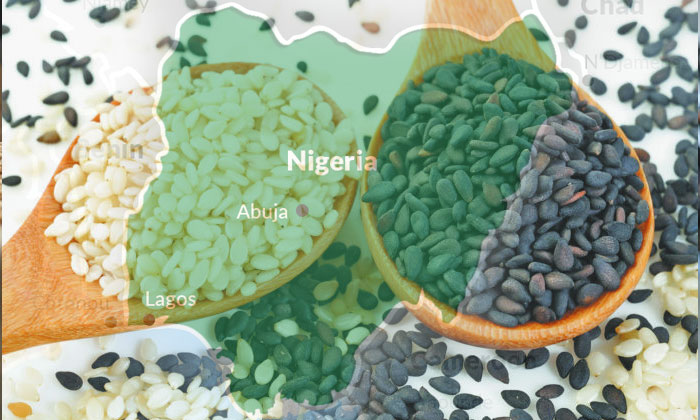
Nigeria is steadily emerging as one of the most influential players in the global sesame industry, driven by strong production capacity and rising international demand.
In 2022, Nigeria recorded a production volume of 509,712 metric tonnes of sesame seeds, securing its position as the fourth-largest producer worldwide. Impressively, around 90% of this output was exported—demonstrating the country’s strong integration into global value chains.
Momentum accelerated further in early 2024.
In just the first quarter of 2024, sesame exports surged to 247.75 billion (approximately US$161 million), representing a 99% increase compared to the final quarter of 2023. This sharp rise highlights both expanding global demand and Nigeria’s strengthening export efficiency.
Key international markets—including China, Japan, and Turkey—continued to purchase substantial volumes, reinforcing Nigeria’s reputation as a dependable supplier in Asia and the Middle East.
Nigeria’s role in the sesame trade is no longer emerging—it is becoming foundational to global supply, with export performance showing resilience, scale, and growing sophistication.
Global Demand and Export Potential
Sesame remains one of the most consistently demanded agricultural commodities on the international market, driven by its use in food manufacturing, oil extraction, health products, and bakery industries worldwide.
Nigeria’s performance in this sector has been remarkable.
The value of sesame exports increased from 73.8 billion in 2014 to approximately 1 trillion in 2024, reflecting a decade of sustained growth and expanding global relevance. This dramatic rise underscores both the commercial strength of the commodity and Nigeria’s strategic advantage as a major producer.
Yet the full potential of the sector remains far from realized.
According to the International Trade Centre (ITC), Nigeria has an untapped export opportunity estimated at US$604 million, particularly in premium markets such as China, Japan, Germany, and Turkey. These destinations consistently demand high-quality sesame and offer strong price advantages for exporters who can meet strict quality and certification thresholds.
With global consumption rising and supply gaps widening in several importing regions, Nigeria stands at a pivotal point: the opportunity exists not only to expand export volumes but to secure a larger, more profitable share of the global sesame market.
Meeting International Quality and Compliance Standards
Competing successfully in the global sesame market requires unwavering commitment to quality, safety, and regulatory compliance. International buyers—especially in Europe, Asia, and the Middle East—set stringent standards that Nigerian exporters must consistently meet.
Global importers typically expect sesame seeds to meet the following specifications:
• Purity: above 99%, ensuring minimal foreign matter
• Moisture content: below 5–7.5%, to maintain shelf stability and prevent mould growth
• Oil content: above 45–52%, a key indicator of seed quality and market value
• Free Fatty Acids (FFA): below 1–2%, ensuring freshness and reduced rancidity
Beyond these core parameters, international markets rely heavily on food-safety certifications. Compliance with globally recognised schemes such as FSSC 22000, ISO 22000, BRCGS, and IFS Food significantly increases market access, enhances buyer confidence, and positions exporters for premium pricing.
Equally important is adherence to proper packaging and labelling requirements. Export-ready sesame should be packed in 25 kg or 50 kg polypropylene bags or multi-layered paper bags, depending on buyer preference. Accurate labelling—including mandatory allergen declarations—is essential for regulatory approval, particularly in strict markets such as the European Union.
By aligning production, processing, and packaging with these international benchmarks, exporters can ensure that Nigerian sesame consistently meets the expectations of high-value global buyers.
Creating Value Beyond Raw Exports
Nigeria stands at a strategic crossroads where it can dramatically increase earnings from the sesame industry by shifting from raw seed exports to value-added processing. While exporting raw sesame seeds already generates substantial revenue, the true economic potential lies in transforming these seeds into higher-value products.
Processing sesame into premium oil, tahini, sesame paste, sesame butter, snack ingredients, and industrial-grade oil products can multiply export value, open new market segments, and significantly enhance profit margins. Countries that dominate global sesame markets—such as Turkey, Japan, and China—have achieved their advantage precisely by focusing on value-added processing rather than exporting raw seeds alone.
For Nigeria, this shift represents more than increased profits. It opens the door to large-scale job creation, stronger rural economies, improved foreign exchange earnings, and new agro-industrial clusters built around sesame processing.
This value-driven model directly supports national priorities including economic diversification, industrialisation, and the expansion of local processing capacity. By moving up the value chain, Nigeria can retain more value domestically, strengthen its competitive position globally, and build a more resilient agricultural economy.
Why Partner with EAGLLE Group

EAGLLE Group offers a strategic and dependable route into the international sesame trade.
Clients benefit from:
• Premium-quality sesame seeds that meet global specifications
• Consistent supply sourced from the top-producing regions across northern and central Nigeria
• Strong export capability, covering documentation, certifications, quality control, and efficient logistics for international delivery
• Alignment with national export frameworks, including support from NEPC and compliance oversight from NAQS
EAGLLE Group positions exporters and buyers to tap into the rising global demand while upholding the highest standards of quality and reliability.
Choose EAGLLE Group for Reliable, High-Quality Sesame Exports From Nigeria
Global buyers, food manufacturers, and importers rely on EAGLLE Group for premium sesame seeds that meet strict international standards. Our products are sourced from Nigeria’s best-producing belts, professionally cleaned, moisture-stabilised, and packaged for export markets in Asia, Europe, and the Middle East.
Whether you are looking for white sesame seeds, brown sesame, mixed natural sesame, or bulk shipments of oil-rich sesame for pressing, EAGLLE Group offers consistent quality and dependable logistics.
We provide:
• SGS-verified quality
• Export documentation and compliance
• NAQS certification
• NEPC-aligned procedures
• 25kg & 50kg export packaging
• Fast shipping from Nigerian ports
If you’re searching for a trusted sesame supplier in Nigeria, a top sesame exporter, or a partner who ensures quality from farm to port, you’re in the right place.
Get in touch today and unlock seamless sesame sourcing with EAGLLE Group.
Why Global Buyers Choose EAGLLE Group
- Superior Sesame Quality: We supply high-purity sesame seeds with optimal moisture balance and oil content—matching or exceeding international buyer specifications.
- Reliable Large-Volume Supply: Our sourcing network spans Nigeria’s top sesame-producing belts, guaranteeing consistent availability throughout the year.
- Full Export Documentation:From NAQS certification to SGS inspection, we provide all required compliance documents for smooth customs clearance.
- Clean, Secure Export Packaging:Export-ready 25 kg or 50 kg polypropylene bags or multilayer bags, labelled according to EU and Asian regulatory standards.
- Efficient Logistics & Global Shipping:Fast and professional loading, fumigation, container management, and onward shipment from Nigerian ports.
- Trusted by Buyers Worldwide:We serve clients across China, Japan, Turkey, Europe, and the Middle East, supplying them with dependable quality and uninterrupted delivery.
lables: